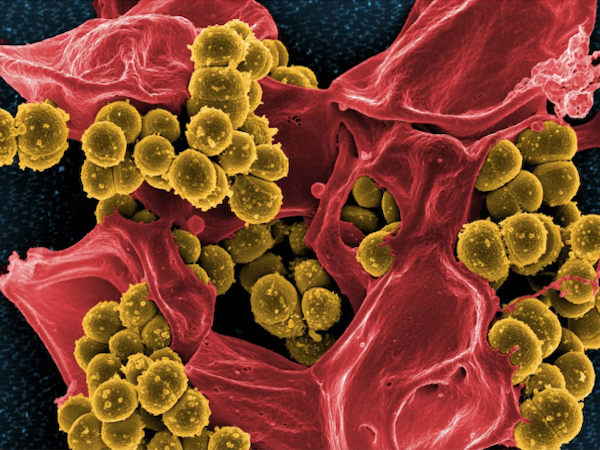
Top Ten Deadly Bacteria







Ten of the most deadly bacteria, along with the diseases they cause, typical duration, treatments, likelihood of death, and descriptions of symptoms. Bacteria are not animals as they need to be multicellular but without bacteria animal life would collapse and the world would be very different.
Mycobacterium tuberculosis (Tuberculosis)
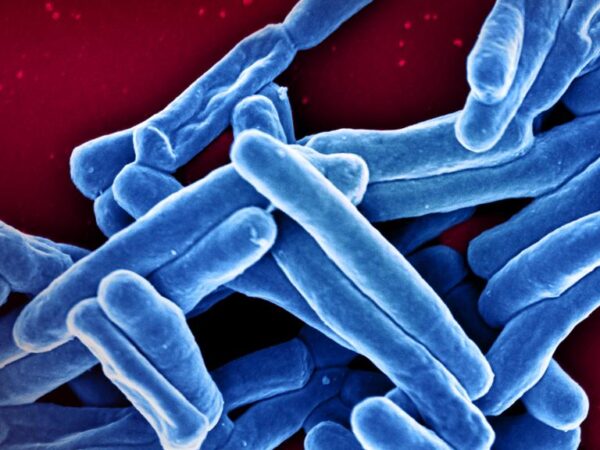 : Tuberculosis (TB)
- Common Name: TB or Tuberculosis
- Symptoms:
- Persistent cough (often with blood or mucus)
- Fatigue
- Fever and chills
- Night sweats
- Unintended weight loss
- Chest pain
- Duration: Weeks to years (untreated cases may persist and worsen over time)
- Treatment:
- Long-term antibiotic regimen (e.g., isoniazid, rifampin, ethambutol, pyrazinamide) for 6-9 months
- Drug-resistant TB may require additional antibiotics and longer treatment periods
- Likelihood of Death:
- If untreated, the mortality rate is 50%.
- With treatment, the survival rate is high (>95%).
- Image URL: Microscopic image of Mycobacterium tuberculosis
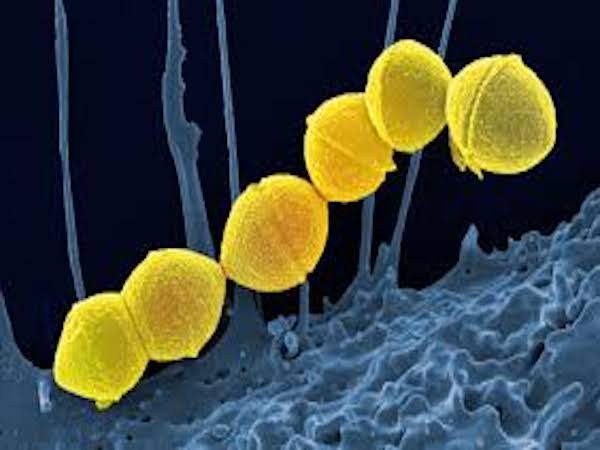
Streptococcus pyogenes (Strep)
- Disease:
- Strep Throat, Scarlet Fever, Rheumatic Fever, Necrotizing Fasciitis (“Flesh-eating disease”)
- Common Name: Strep
- Symptoms (varies by disease):
- Sore throat, fever, swollen lymph nodes (strep throat)
- Rash, fever, sore throat (scarlet fever)
- Severe tissue pain, redness, swelling, necrosis (necrotizing fasciitis)
- Duration:
- Strep throat and scarlet fever: ~1 week (with treatment)
- Necrotizing fasciitis: Rapid progression requiring immediate intervention
- Treatment:
- Penicillin or other antibiotics
- Necrotizing fasciitis requires surgery and intravenous antibiotics
- Likelihood of Death:
- Strep throat: Minimal with treatment
- Necrotizing fasciitis: ~20-30% despite treatment
- Image URL: Microscopic image of Streptococcus pyogenes
Vibrio vulnificus (Flesh-eating bacteria)

- Disease:
- Necrotizing Fasciitis (rare cases)
- Septicemia (bloodstream infection)
- Common Name: Flesh-eating bacteria
- Symptoms:
- Fever, chills
- Nausea, vomiting, diarrhea (from ingestion)
- Severe skin infections, blistering, and necrosis (from wound exposure)
- Duration: Rapid onset; can lead to death within hours or days if untreated
- Treatment:
- Prompt antibiotics (e.g., doxycycline, ceftriaxone)
- Surgical debridement of infected tissue
- Likelihood of Death:
- ~25-30% for wound infections or septicemia
- Image URL: Microscopic image of Vibrio vulnificus
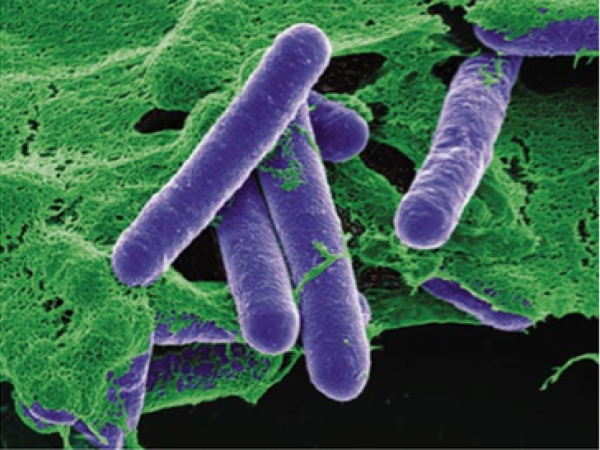
Clostridium botulinum (Botulism)
-
- Disease: Botulism
- Common Name: Botulism-causing bacteria
- Symptoms:
- Difficulty swallowing or speaking
- Dry mouth
- Muscle weakness, paralysis
- Vision problems (e.g., double vision)
- Respiratory failure in severe cases
- Duration:
- Weeks to months (recovery depends on nerve regeneration)
- Treatment:
- Administration of antitoxin
- Supportive care, including mechanical ventilation if necessary
- Likelihood of Death:
- With treatment: <10%
- Without treatment: 50-60%
- Image URL: Microscopic image of Clostridium botulinum
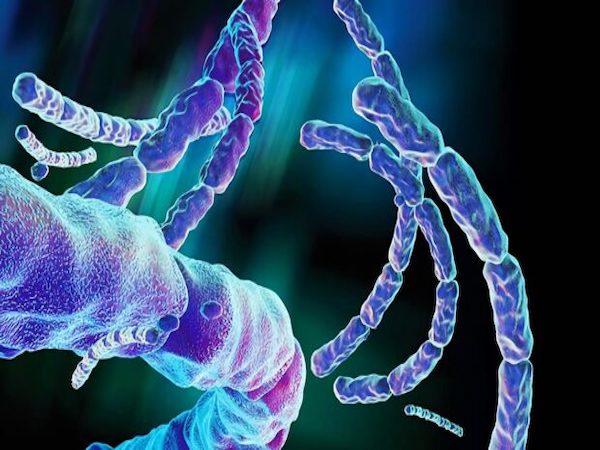
Bacillus anthracis (Anthrax)
- Disease: Anthrax
- Symptoms:
- Cutaneous Anthrax: Black ulcers on the skin, fever, malaise.
- Inhalation Anthrax: Severe respiratory distress, fever, chest pain, sepsis.
- Gastrointestinal Anthrax: Nausea, vomiting (sometimes with blood), abdominal pain, diarrhea.
- Duration: Varies by form (days to weeks).
- Treatment: Antibiotics such as ciprofloxacin or doxycycline and antitoxins.
- Likelihood of Death:
- Cutaneous: ~20% untreated, <1% treated.
- Inhalation: ~85% fatal untreated, ~45-55% treated.
- Gastrointestinal: ~25-60% untreated.
- Common Name: Anthrax
- Image URL: Bacillus anthracis
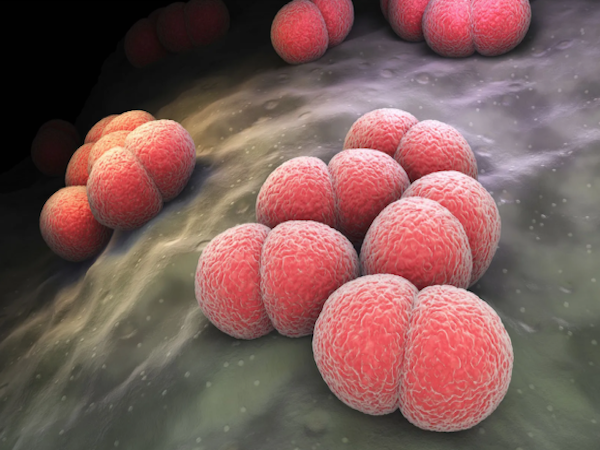
Neisseria meningitidis (Meningococcus)
- Disease: Meningococcal Meningitis and Septicemia
- Symptoms:
- Meningitis: Sudden fever, headache, neck stiffness, photophobia.
- Septicemia: Rash, rapid breathing, cold extremities, low blood pressure.
- Duration: Typically 1-10 days.
- Treatment: Intravenous antibiotics (e.g., ceftriaxone, penicillin) and supportive care.
- Likelihood of Death:
- Meningitis: ~10-15% even with treatment.
- Septicemia: ~40% fatal untreated.
- Common Name: Meningococcus
- Image URL: Neisseria meningitidis
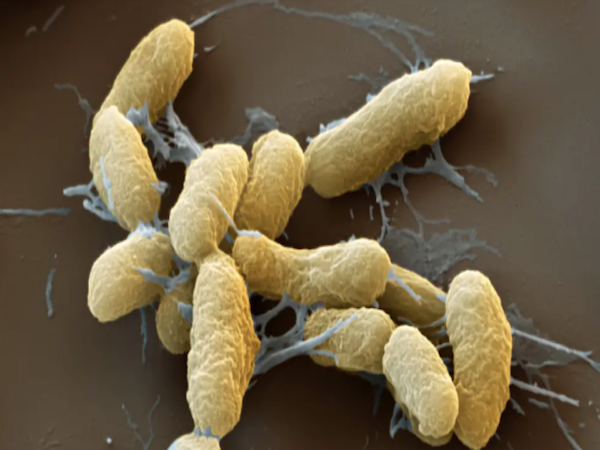
Yersinia pestis (Plague or Black Death)
-
-
- Disease: Plague (Bubonic, Septicemic, and Pneumonic forms)
- Symptoms:
- Bubonic: Swollen lymph nodes (buboes), fever, chills.
- Septicemic: Abdominal pain, shock, bleeding into the skin.
- Pneumonic: Severe pneumonia, coughing blood, difficulty breathing.
- Duration: Symptoms can progress rapidly over 1-7 days.
- Treatment: Antibiotics such as streptomycin, gentamicin, or doxycycline.
- Likelihood of Death:
- Bubonic: ~30-60% untreated, <10% treated.
- Septicemic & Pneumonic: ~100% untreated, 10-25% treated.
- Common Name: Plague or Black Death
- Image URL: Yersinia pestis
-
Clostridium tetani (Tetanus)
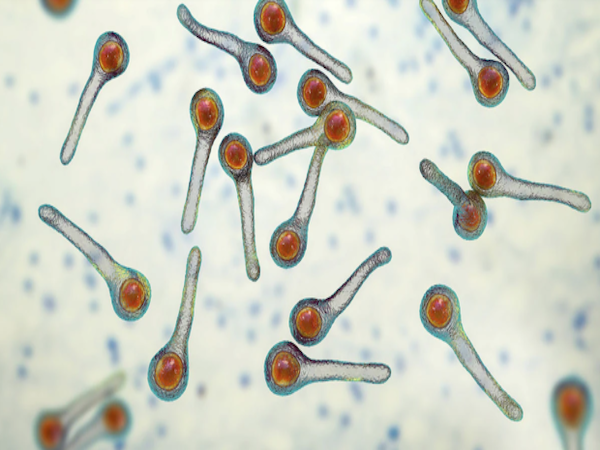
- Disease: Tetanus
- Symptoms:
- Muscle stiffness and spasms, lockjaw, difficulty swallowing, seizures, autonomic dysfunction.
- Duration: Can last weeks to months.
- Treatment: Tetanus immunoglobulin (TIG), antibiotics (e.g., metronidazole), muscle relaxants, and supportive care.
- Likelihood of Death: ~10-20% fatal, higher in resource-poor settings without vaccination.
- Common Name: Lockjaw
- Image URL: Clostridium tetani
Escherichia coli O157:H7 (E. coli)

- Escherichia coli O157:H7 is a pathogenic strain of the bacterium Escherichia coli, commonly referred to as E. coli O157:H7. This strain is notable for producing Shiga-like toxins that can lead to severe illness in humans.
- Disease Caused: E. coli O157:H7 is primarily associated with causing hemorrhagic colitis, a severe form of foodborne illness. In some cases, it can lead to hemolytic uremic syndrome (HUS), a serious condition that affects the kidneys.
- Duration of Illness: Symptoms typically appear 3 to 4 days after exposure, though they can occur as early as 1 day or as late as 10 days post-exposure. The duration of the illness varies:
- Treatment: There is no specific treatment for E. coli O157:H7 infections. Supportive care, including hydration, is essential. Antibiotics are generally not recommended, as they may increase the risk of developing HUS. In cases where HUS develops, hospitalization is necessary, and treatment may include blood transfusions and kidney dialysis.
- Likelihood of Death: While many individuals recover without complications, the development of HUS can be life-threatening, especially in young children and the elderly. The mortality rate for those who develop HUS is approximately 5% to 10%.
- Description of Symptoms:
- Hemorrhagic Colitis:
- Severe abdominal cramps
- Watery diarrhea that becomes bloody
- Vomiting (sometimes)
- Fever is usually absent or mild
- Hemolytic Uremic Syndrome (HUS):
- Decreased frequency of urination
- Fatigue
- Paleness
- Easy bruising
- Unexplained bleeding
- Common Name: E. coli O157:H7 is commonly referred to as “E. coli O157” or simply “E. coli.” However, it’s important to distinguish this pathogenic strain from other non-pathogenic strains of E. coli that are part of the normal intestinal flora.
- Image URLs: Here are some images depicting E. coli O157:H7:
- Hemorrhagic Colitis: Symptoms usually last about 5 to 7 days. Hemolytic Uremic Syndrome (HUS): If HUS develops, it generally occurs about a week after the onset of diarrhoea and requires immediate medical attention.
- Public Health Image Library
Salmonella typhi (Typhoid)

- Disease:
- Causes typhoid fever.
- Duration:
- 2-4 weeks; longer without treatment.
- Treatment:
- Antibiotics (e.g., azithromycin, ceftriaxone, or fluoroquinolones in non-resistant cases).
- Hydration therapy to manage dehydration.
- Likelihood of Death:
- Mortality is 10-20% without treatment but less than 1% with proper care.
- Symptoms:
- High fever, abdominal pain, diarrhea or constipation, weakness, and rose-colored spots on the torso.
- Common Name: Typhoid fever.
- Image: Salmonella typhi microscopy
- Pseudomonas aeruginosa
- Disease:
- Causes various infections, including pneumonia, bloodstream infections, urinary tract infections (UTIs), and infections in burn wounds.
- Duration:
- Duration depends on the site and severity; infections can last days to weeks with treatment.
- Treatment:
- Antibiotics tailored to resistance patterns (e.g., ceftazidime, piperacillin-tazobactam, or carbapenems).
- Likelihood of Death:
- Mortality ranges from 10-50% for severe infections like sepsis.
- Symptoms:
- Vary based on infection site: fever, greenish discharge (e.g., from wounds or respiratory tract), difficulty breathing, or pain.
- Common Name: Pseudomonas infection.
- Image: Pseudomonas aeruginosa colony
Legionella pneumophila (Legionnaires’ disease).
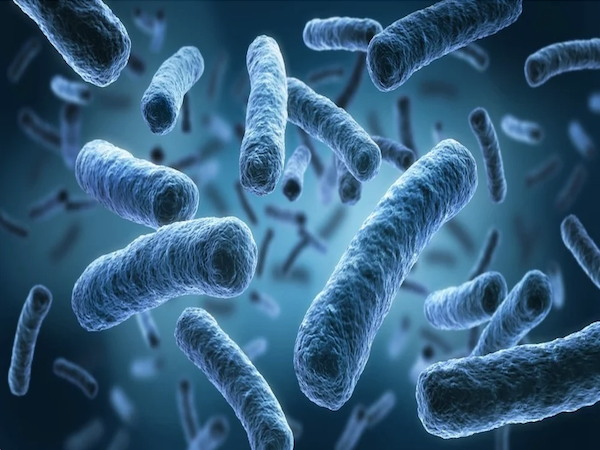
- Disease:
- Causes Legionnaires’ disease (a severe form of pneumonia) and Pontiac fever (a milder illness).
- Duration:
- Legionnaires’ disease: Weeks to months for full recovery.
- Pontiac fever: 2-5 days.
- Treatment:
- Antibiotics such as macrolides (azithromycin) or fluoroquinolones (levofloxacin).
- Likelihood of Death:
- Legionnaires’ disease: Mortality rate of 5-30% if untreated, higher in immunocompromised individuals.
- Pontiac fever: Rarely fatal.
- Symptoms:
- High fever, cough, shortness of breath, muscle aches, and diarrhea.
- Common Name: Legionnaires’ disease.
- Image: Legionella pneumophila microscopy
Staphylococcus aureus (Staph infection)
- Disease:
- Commonly causes skin infections (boils, abscesses, cellulitis) and more severe conditions like sepsis, pneumonia, or toxic shock syndrome.
- Duration:
- Skin infections may last 1-3 weeks. Severe infections vary depending on treatment efficacy.
- Treatment:
- Antibiotics (e.g., cephalosporins, clindamycin, or vancomycin for MRSA).
- Drainage of abscesses may be required.
- Likelihood of Death:
- Skin infections: Rarely fatal.
- Severe infections (e.g., bloodstream infections): Mortality ranges from 10-30% if untreated.
- Symptoms:
- Red, swollen, and painful skin lesions.
- Fever, chills, fatigue (in systemic infections).
- Common Name: Staph infection.
- Image: Staphylococcus aureus microscopy
